Batting technique
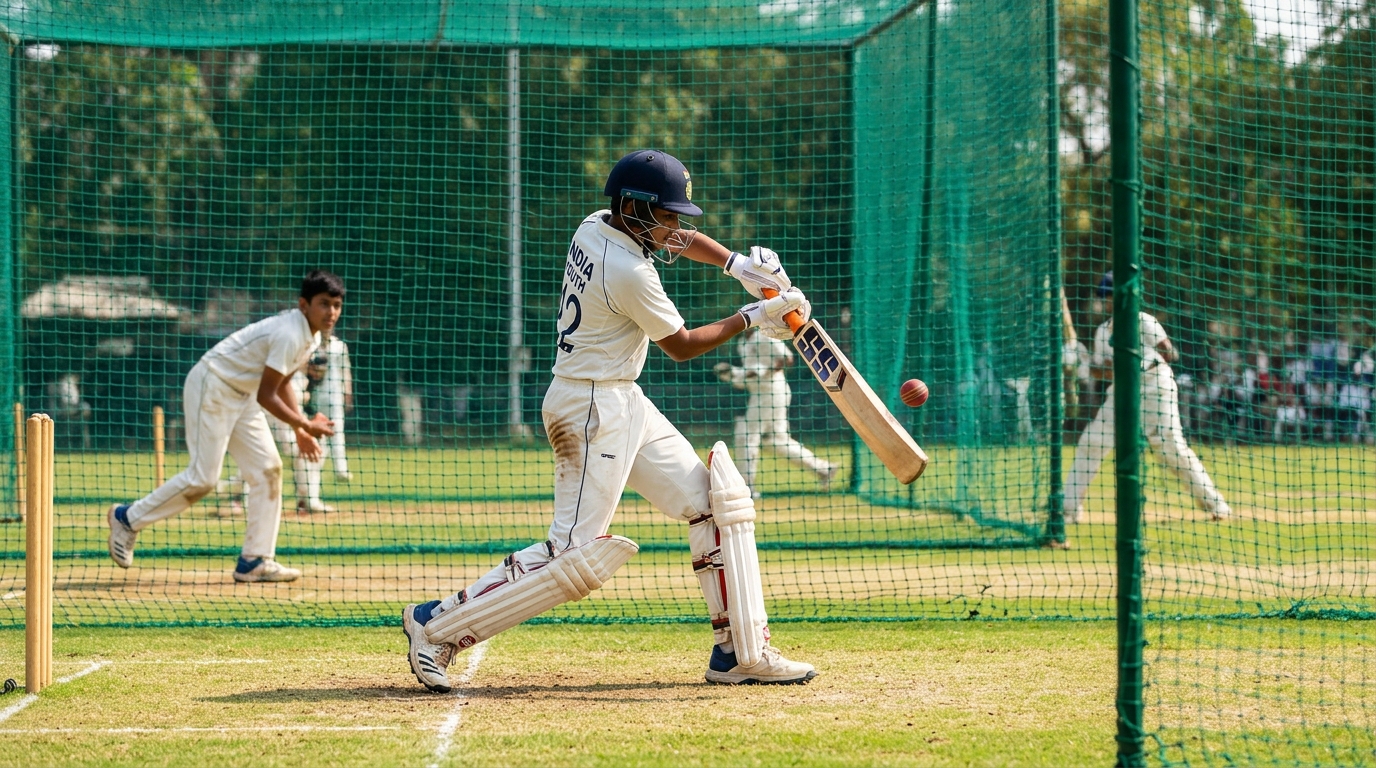
Front-foot and back-foot movement, a stable defensive shape and strike rotation help players respond to different deliveries rather than relying on one shot.

Transitioning developing cricketers into hardened, match-ready competitors through systematic hard-ball turf net practice and tactical awareness.
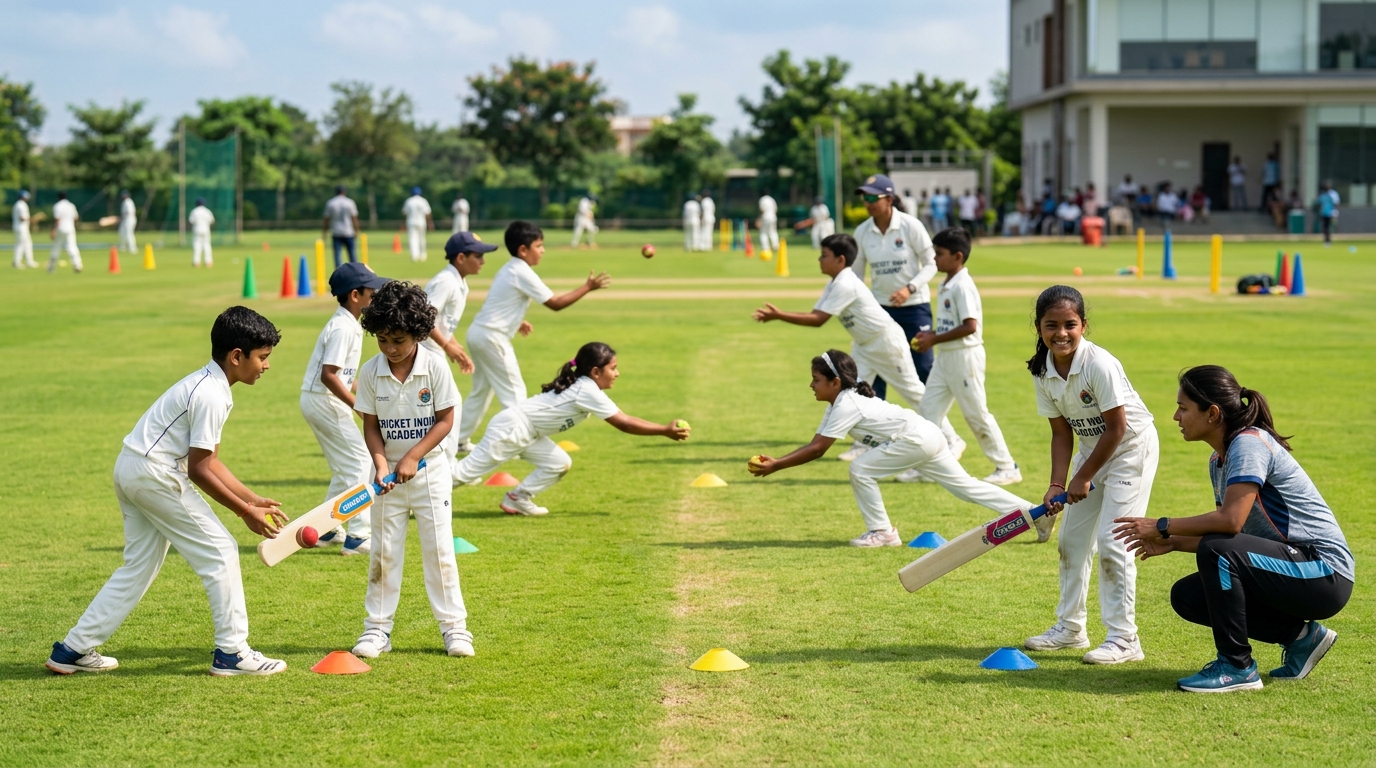
The Junior Development Program is our bridge from foundational mechanics to serious competitive cricket. Designed for boys and girls aged 11 to 14, this program transitions trainees into regular hard-ball cricket on natural turf pitches under match-like conditions.
Players refine their footwork against genuine pace and spin, fine-tune bowling variations and accuracy, sharpen wicketkeeping and boundary fielding reflexes, and learn the strategic decisions needed in 20-over and 50-over match play. Regular competitive practice matches ensure players learn how to handle real-game pressure.
Progression-based training modules taught sequentially across the training term:
Weight transfer for front and back foot shots, executing pull shots, square cuts, drives against swinging deliveries, and running between wickets.
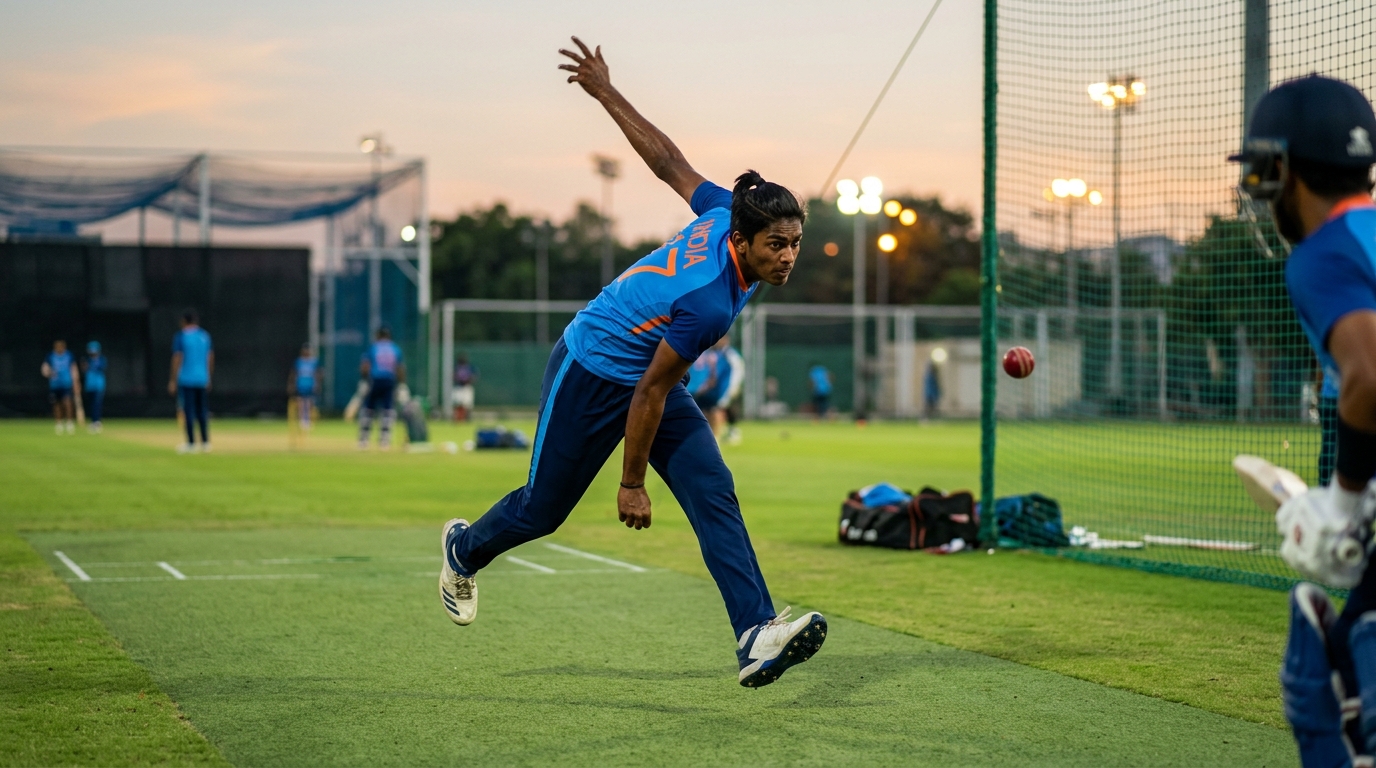
Fast bowlers learn wrist positioning for outswing and inswing; spinners master revolutions, loop, dip, and flight variations to beat batters in the air.
High catching with hard regulation balls, sliding boundary saves, direct hits from 30 yards, and wicketkeeper stance adjustments for spin and pace.
Setting tactical fields, bowling to field restrictions, rotating the strike during middle overs, and managing target-defending pressure.
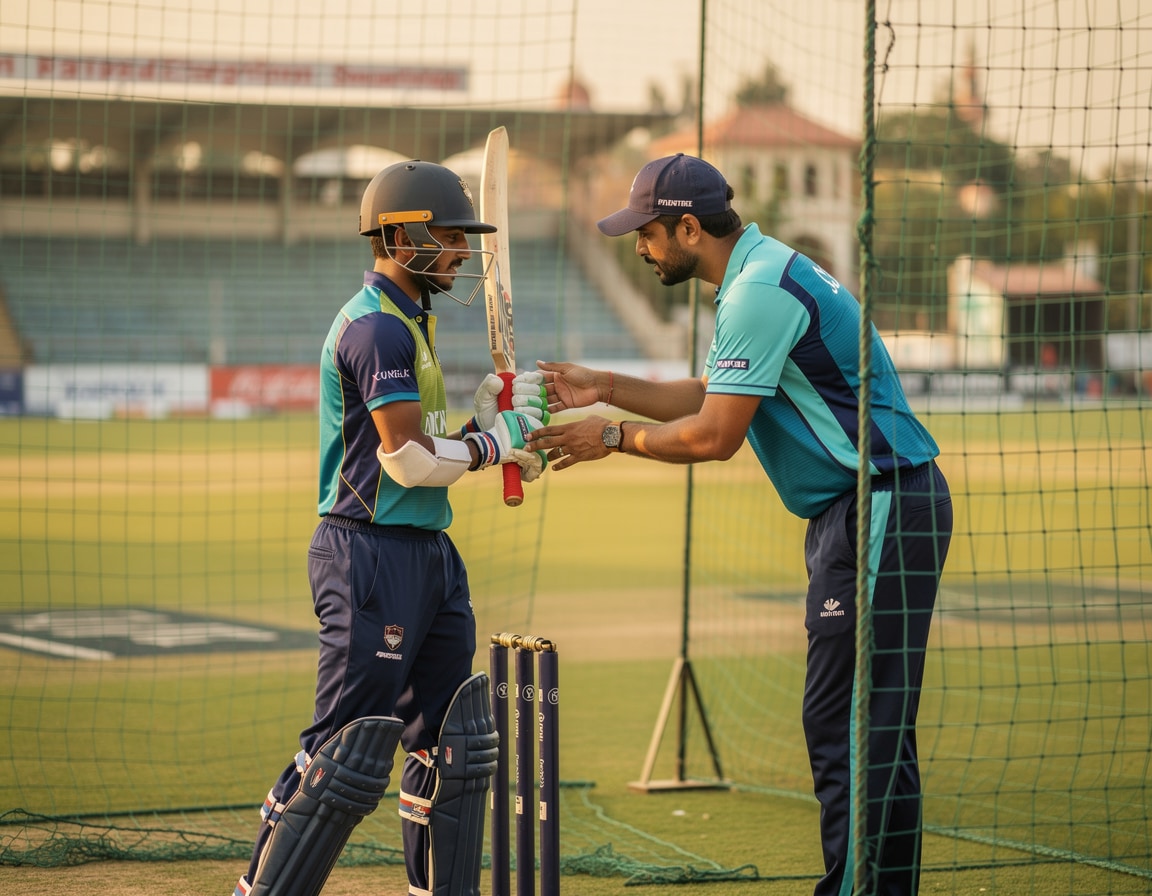
Experienced cricket coaches supervising and monitoring trainees in this program:
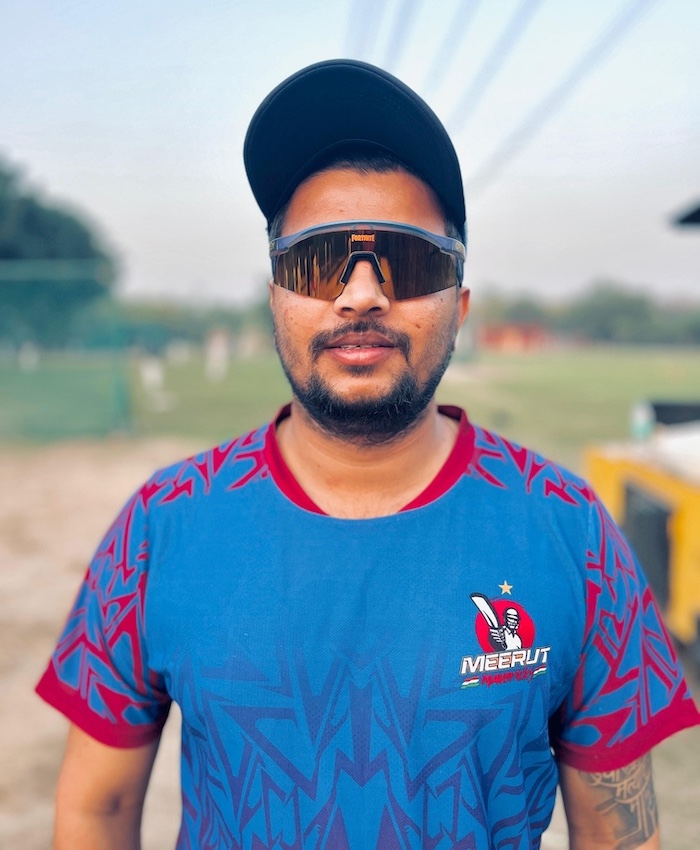
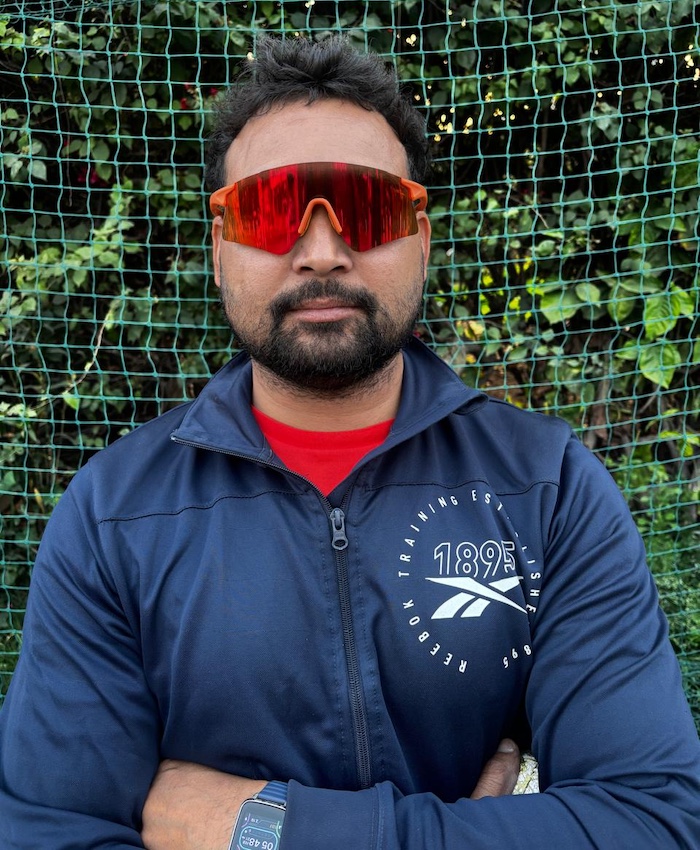
Structured balance of technical net practice, athletic conditioning, and match simulations:
Explore the published training, net-practice, gym and hostel pages for general academy information.
Answers to common questions from parents and aspiring cricketers:
Match awareness can be developed through practice, discussion and reflection. Current match activities are not presented as a guaranteed programme inclusion.
Players can work on technique by identifying one movement or decision to improve and practising it with purpose.
Junior Development builds on basic cricket skills with more attention to footwork, bowling control, fielding positions and match awareness. It does not promise selection or trial outcomes.
 YSCA Programs & Courses

Structured developmental cricket courses for players across all age brackets and competitive stages.
Junior Development is the 11–14 age pathway. It introduces players to the link between sound technique, movement, teamwork and better decisions during practice and matches.
Front-foot and back-foot movement, a stable defensive shape and strike rotation help players respond to different deliveries rather than relying on one shot.
Line, length and repeatable release are useful foundations for both pace and spin bowling. Players can build these skills progressively while learning to bowl to a plan.
Ground fielding, catching, accurate throws, positioning and communication all contribute to reliable fielding. Each skill improves through attention to movement and teamwork.
Running between wickets, reading a field setting and recognising the match situation encourage thoughtful choices. Coordination, mobility and good movement remain important at this stage.