Batting
Grip, stance, balance and footwork help a batter meet the ball with control. Timing, shot selection and strike rotation become easier when a player watches the ball closely and chooses a lower-risk option when needed.

Explore practical cricket-development topics for young players, from batting and bowling technique to fielding, wicketkeeping and match awareness.
Cricket learning starts with repeatable fundamentals. The programme pages explain the age pathways—Foundation for ages 6–10, Junior Development for ages 11–14 and Senior Performance for ages 15–19—while this page introduces the skills players can develop over time.
Batting, bowling, fielding and wicketkeeping all rely on balance, movement, timing and attention to the ball. Match awareness then helps a player apply those skills in a changing game situation.
Players can prepare for a visit with comfortable sports clothing, water, suitable footwear and their personal cricket kit where appropriate. Protective-equipment needs depend on the activity and safety guidance in use.
Grip, stance, balance, footwork, timing, shot selection and strike rotation give batting practice a clear purpose.
Bowling practice can focus on run-up rhythm, release consistency, line, length and a simple plan for each delivery.
The academy can explain the current skill-development focus for each programme.
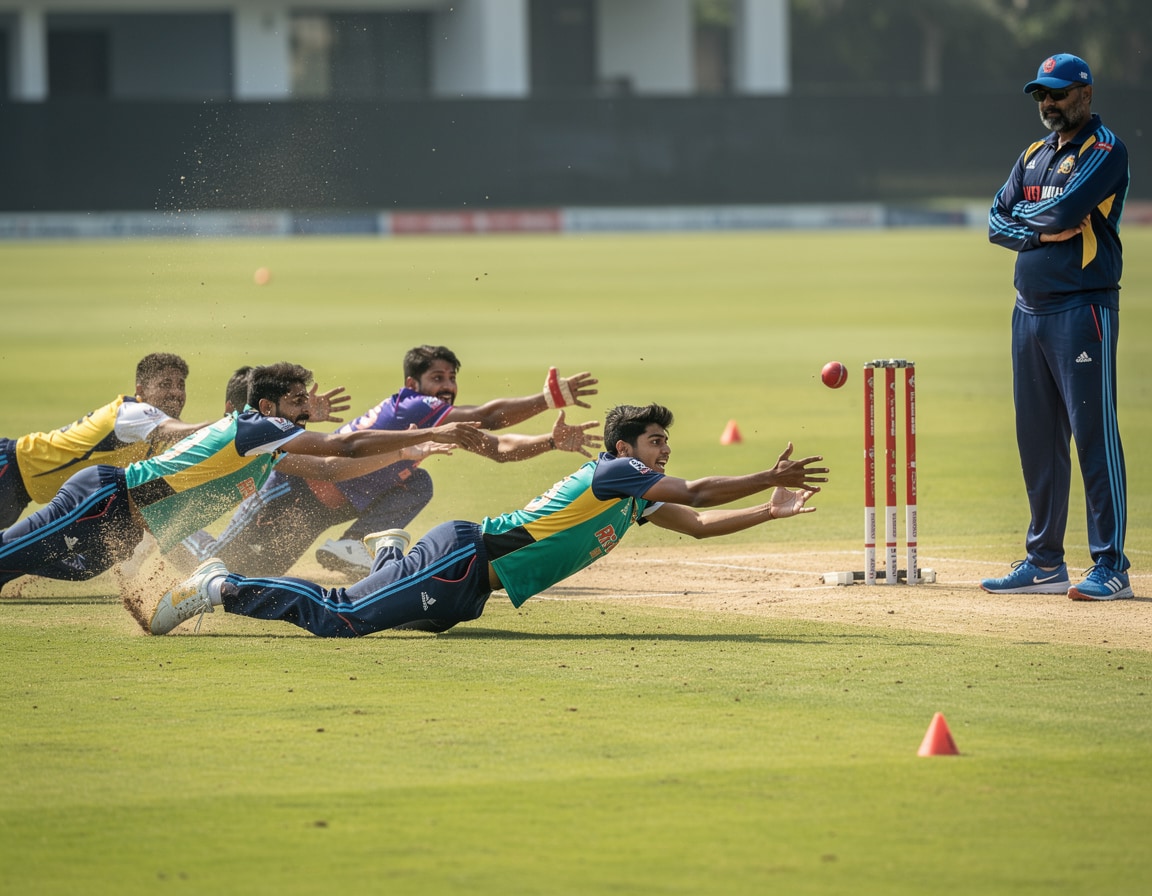
Catching, ground fielding, throwing, positioning and communication develop reliable all-round fielding.
Wicketkeeping relies on a ready stance, footwork, glove work, collecting cleanly and sustained concentration.
Running between wickets, reading field settings and communicating clearly build useful match awareness.
Explore the age-based programme pages to understand how cricket learning can progress from fundamentals to match awareness.
Focus on practical preparation, suitable protective equipment and following the safety guidance for the activity.
Ground Availability
Net Practice Enquiries
Practice Equipment
Session Requirements
Technical Feedback Options
Fitness Enquiries
Accommodation Enquiries
Coaching Team
Everything you need to know about joining cricket training at YSCA.
Share the player’s age, cricket experience and programme interest to begin an admissions enquiry.
Enquire About a Trial SessionCricket development combines repeatable technique, movement and decision-making. The areas below explain what players can explore as they learn the game.
Grip, stance, balance and footwork help a batter meet the ball with control. Timing, shot selection and strike rotation become easier when a player watches the ball closely and chooses a lower-risk option when needed.
A rhythmical run-up, consistent release and attention to line and length are useful foundations. Pace and spin bowlers can both learn to set a clear target and adjust their plan to the batter and field.
Catching, ground fielding, throwing, positioning and communication help a side work together. Wicketkeeping adds a ready stance, collecting skills, footwork and concentration behind the stumps.
Suitable sports clothing, drinking water, personal kit and protective gear are sensible starting points. Players should follow the safety instructions given for the activity they are considering.